Posted on Leave a comment

Is it still hip to be square?

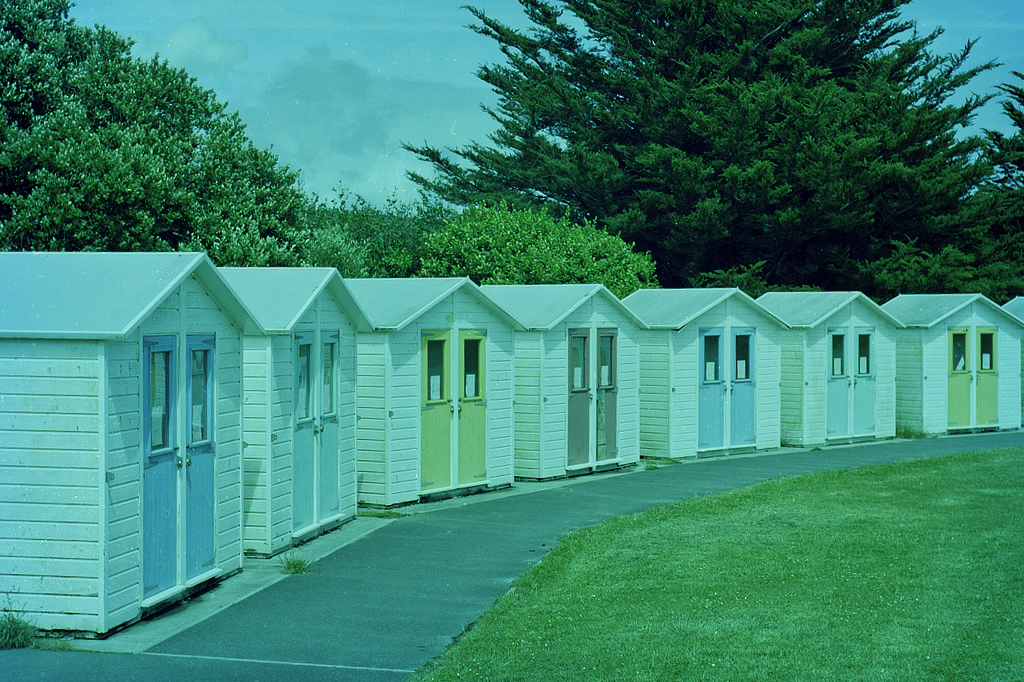
Beach huts photo
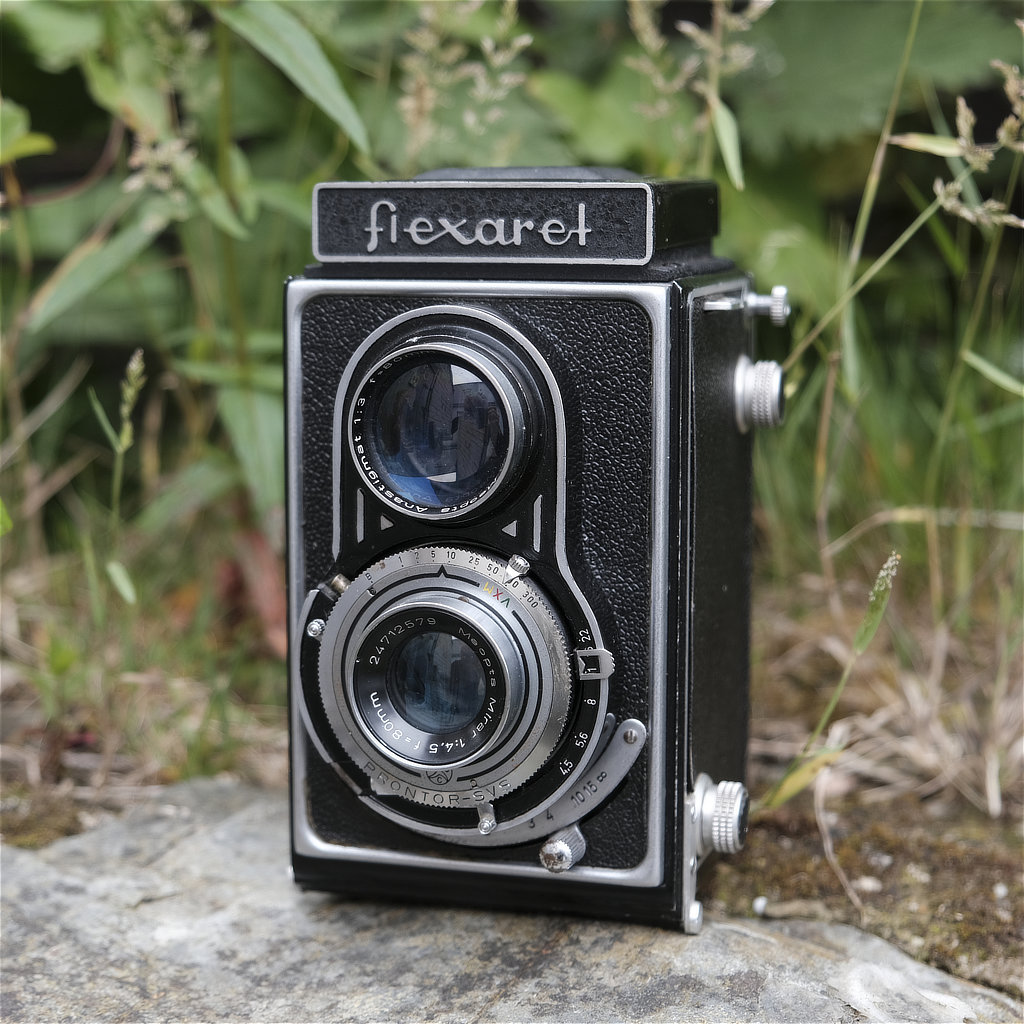
Flexaret iia TLR 120 camera

Coming from a film background over the years I’ve shot with a variety of cameras and camera formats, however, there is one aspect ratio that’s escaped me and that’s square format. Whenever I think of square format I think of album covers and David Bailey’s 60’s black and whites. I’ve heard some folk find it a difficult size to compose for and was keen to find out for myself thinking limitations are often spurs to creativity.

As this was going to be a bit of an experimental indulgence I set myself a low budget of £100 to find a suitable camera. Immediately this discounted pro level cameras like Hasselblad and Bronica, I figured if I really got into it I could always upgrade to one of these…maybe. So, this left old twin lens reflex cameras, Yashica, Seagull, Lubitel etc. I quickly found that with these antique cameras condition counted more than any technical ability. Many had mechanical issues and getting one with a clear lens was difficult, especially when relying on eBay where you can’t handle the goods. Looking through the ads I was amazed by the number of brands of TLR cameras made in the 50’s and 60’s, seems like every country had a go at making them. Eventually I took the plunge and bought Meopta Flexaret iia for a princely £61. The advert said it had had a CLA three years ago and had been owned for eight years so I figured it must have been enthusiast owned. I also recalled using Meopta enlargers way back and from what I remember they were reliable and worked well.

The Flexaret iia dates from circa 1948, nearly eighty years ago! The lens is a triplet rather than a later four element Tessar design, so not as sophisticated technically. This didn’t bother me as I wanted character, swirly backgrounds and softer edges rather than razor sharpness. I’d even toyed with the idea of getting a plastic Holga 120 but went against it seeing as a one trick pony, similar to using Instagram filters, but I reserve the option to change my mind!

In the field and on the beach

I chose to shoot some Kodak Gold 200 as the first film to see how it handled colour, I had a feeling black and white would work better but I wanted to use it as a yard stick.

Loading the film was straightforward a case of threading through the take-up spool, turning the advance knob, and closing the back. However, viewing the frame numbers through the red window was another matter, I couldn’t see anything, In the end I resorted to using the torch on my phone angled to view them!

Flexaret iia

This was my first time using a TLR and dealing with a reversed image, certainly easier than a 4×5″ camera as the image is the right way up but you have get used to moving the camera the opposite way to normal when levelling and composing. The camera is simple to operate with clear controls, focusing obtained by a lever under the lens which previous reviews had praised but I found awkward compared to being on the side.
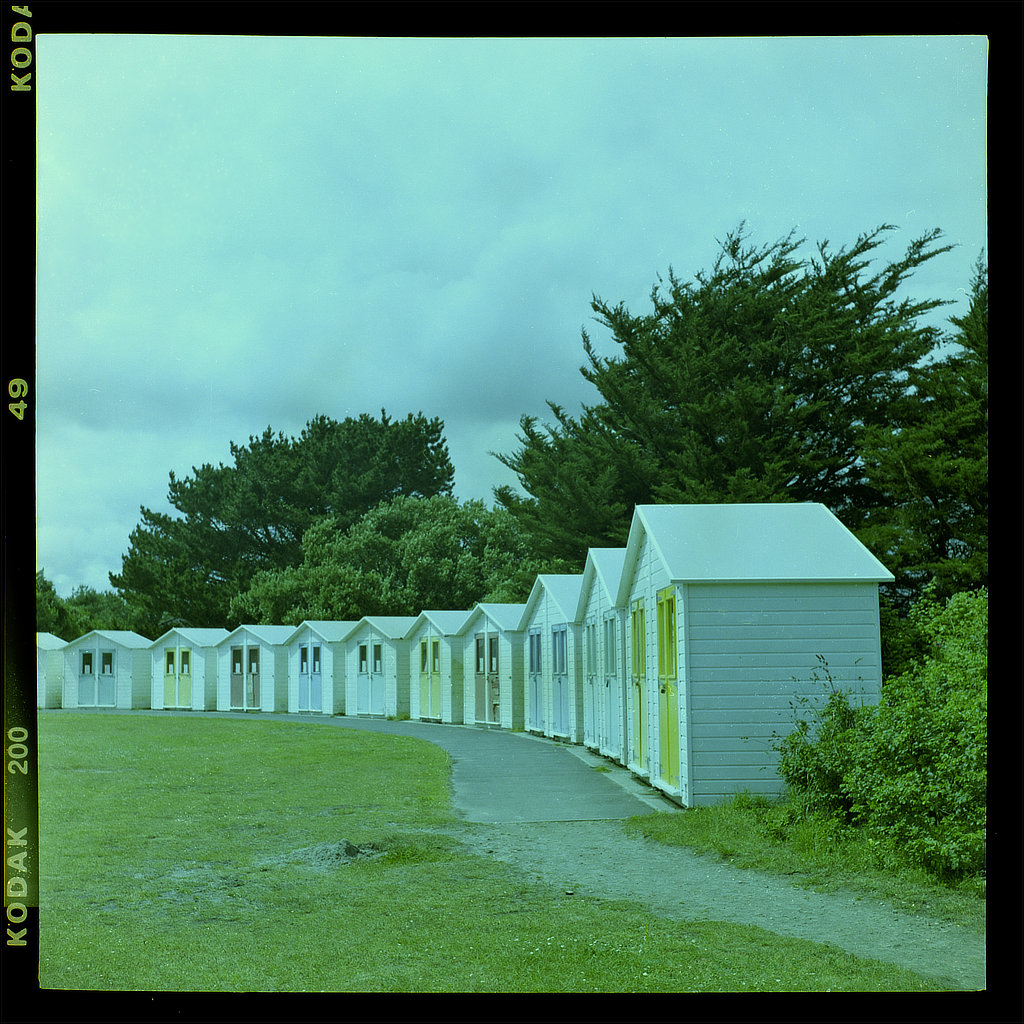
Flexaret iia beach huts

The Prontor SVS shutter worked very well including the self timer. As I took more shots I got into it, focusing was easy but I think to be precise might take practice.I also completely forgot the taking lens is not the lens I was looking through so that is something else to bear in mind in future.
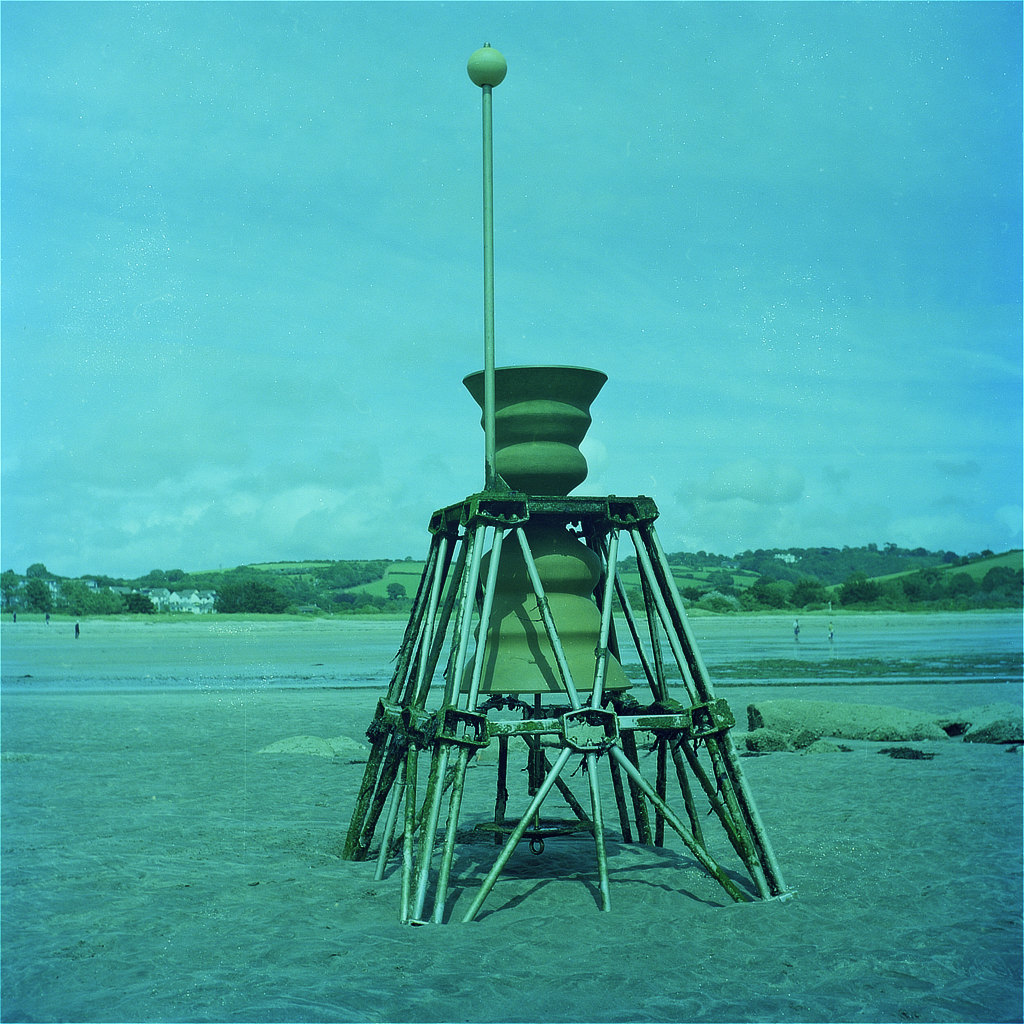
Being a bright sunny day in June my choice of ISO 200 film wasn’t the best on a camera that only goes to 1/300 second, hence most my outdoor photos were at f16. When the camera was made ISO 50, or even ISO 12, would have been the norm. For taking light readings I used my little Sekonic light meter having having checked its calibration with my Gossen Luna F, but I think sunny 16 rule would have worked just as good.

The film was processed by Proper Photography in Newquay, I may start processing my own colour film if I shoot enough. The negs were copied on a lightbox with my Fujifilm X-T4 and a trusty Nikkor 50mm f2 HC lens with 6mm extension tube. They certainly came out having a retro feel about them!
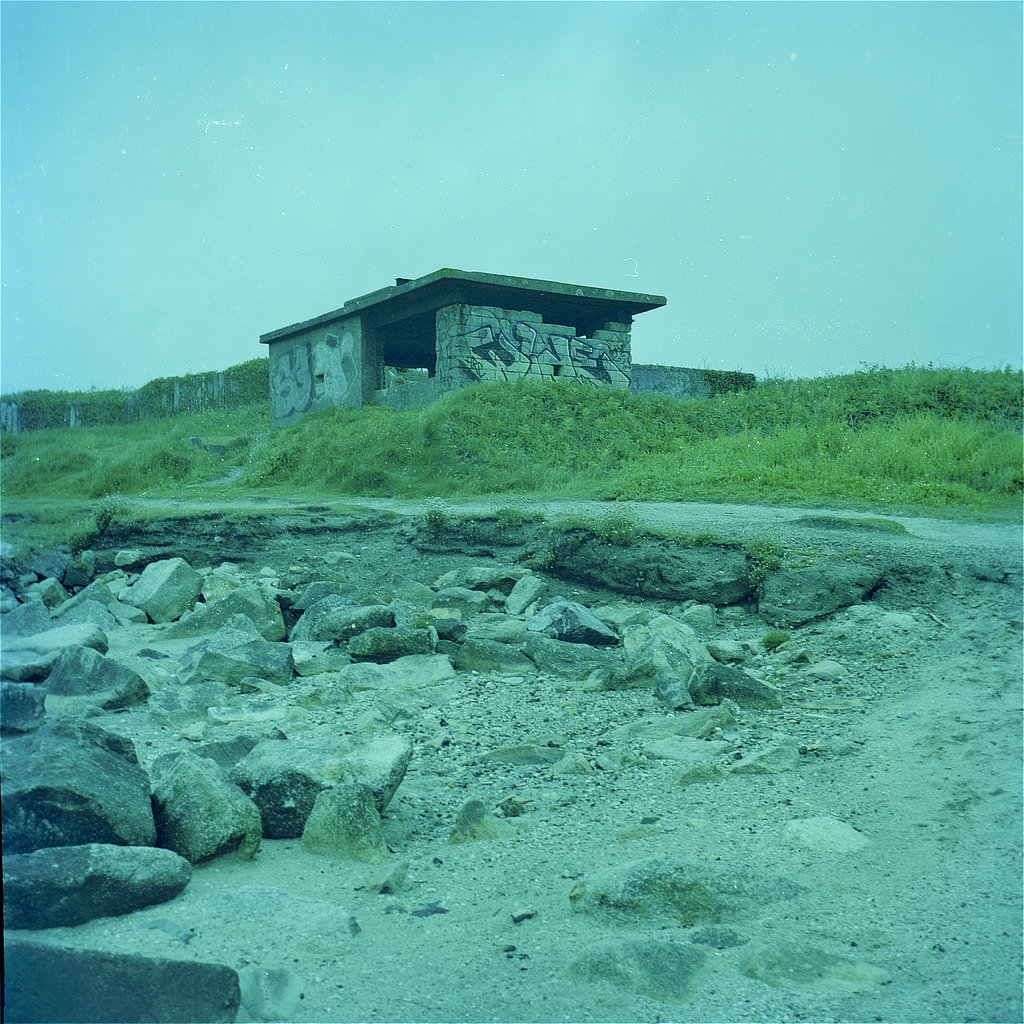
Flexaret iia pill box

Conclusion

I enjoyed the square format, for composing objects it was very satisfying but you had to work harder for landscapes – I found having a view with fore, mid and distance point of interest worked the best. Will I keep the camera? Probably not, I found it in between two extremes, not a high quality medium format camera like a Bronica SQA or as wild and unpredictable as a Holga 120. As mentioned I also found the focusing lever annoying as was viewing the frame numbers. But I enjoyed loading roll film for the first time in thirty years!

Proper Photography Newquay
Posted on Leave a comment

Viltrox 33mm Short Review

Viltrox 33mm f1.4 Fuji review

Having a standard lens is always useful to have in your bag. The focal length is said to correspond to the field of view of the human eye, although I’ve always thought I see the world more in wide-angle, but I think it refers to the field of view when you are focusing on a subject. The standard lens has no tricks, it doesn’t compress the perspective like a telephoto or expand the scene like a wide-angle, it’s a dispassionate objective lens, which some would say makes it boring. What it does do is highlight the subject matter, making it ideal for photographing people or picking out interesting objects. It also has the benefit of being optically very good due to the lack of technical demands compared to other focal lengths.

Viltrox 33mm f1.4 Fuji review
1/900 @ f1.4

With this in mind my first thoughts were to buy Fujifilm’s 35mm f1.4, a lens I’d owned before and is well regarded in the Fuji community for its rendering. I’d disregarded the f2 version because coming from full-frame Sony I wanted a wider aperture to blur the background more when needed, something you lose a little when going to to a smaller sensor. What made me hesitate was the older autofocus on the f1.4, Sony had spoilt me in that department, so I started to look at third party options and both Sigma and Viltrox came up. The Sigma was a 30mm, while the Viltrox a 33mm which corresponded to a full-frame 50mm. A chance listing for an open box Viltrox on eBay came up and I made an offer which was accepted, at half the price of a secondhand Fujifilm 35mm, definitely worth a punt!

Viltrox 33mm f1.4 Fuji review
1/3200 @ f1.4

First impressions were good, the build quality is excellent, all metal including the lens hood. The lens is a little longer than 50mm film lens which is surprising, my guess is they are using less expensive glass with a lower refractive index. At first I thought the clickless aperture ring would be annoying, but since the aperture is displayed in the viewfinder it doesn’t really make a difference, in fact it makes it a smoother experience. One thing to note while the aperture ring is clickless Fujifilm cameras exposure control is not, so if filming you still see the exposure change in steps in manual exposure.

In the field

Attached to my X-T3 focus is fast and accurate, maybe not as fast as my fast 18-55 Fujinon, but not far off. Eye autofocus also works great, no complaints there. After returning home and downloading the files I was surprised at the sharpness, even at f1.4 it’s sharp which is unusual for an f1.4 lens in my experience. I would say it’s sharper than the Fujinon f1.4 I owned. However, something to bare in mind is the rendering, it’s very neutral compared to Fuji lenses. I found adjusting to +1 on saturation and +1 R on colour balance appear to match the Fuji’s, but more comparisons are needed. This is something you encounter when mixing different brands of lenses. For example my Samyang 12mm f2 is the opposite I have to remove its orangeness. Overall I’m please with the Viltrox, I didn’t encounter the chromatic aberration issues some testers complained about, they were no worse than with the Fuji. I’m sure if I’d tried I could have made them appear but in normal scene photography I didn’t see it. As for bokeh it’s a very subjective thing, I’m happy with what the Viltrox produces, not as vintage as the Fuji? But as I found, even with the Fuji it often depends on the background to a large degree.

Viltrox 33mm f1.4 Fuji review
1/2700 @ f1.8

All photos are straight out of camera with Provia simulation, settings on ‘0’, and auto white balance. Lens with v1.1.4 firmware.

print colours
Posted on Leave a comment

Back To The Future

Fujifilm X-Pro 1 camera review

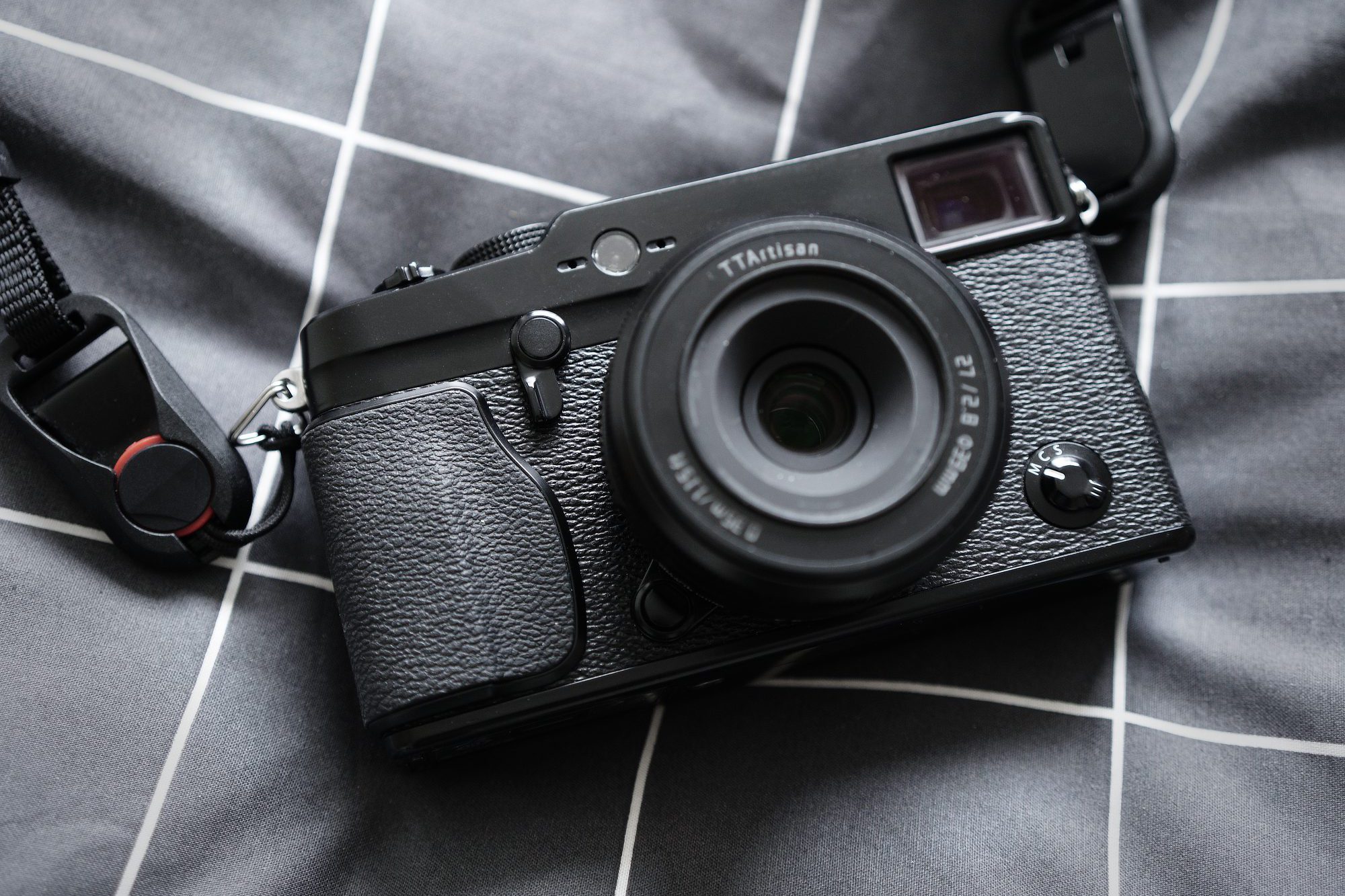
I’ve used several Fujifilm digital camera’s over the years and was aware of the X-Trans 1’s magical sensor reputation but never gave it a great deal of thought really. Then one day I was in my local camera shop to look at a secondhand X-T2, I’d sold one a while ago and quickly regretted it, this one looked in really nice condition. Then behind it I noticed an X-Pro 1. Interesting wouldn’t hurt to have a look I guess. Fifteen minutes later I was walking out of the shop with it, an impulse buy if ever there was!

First thing I noticed was it’s boxy shape with its buttons spaced apart. The LCD screen had a slight dull patch on it when viewed at an angle which was odd until I realised the previous owner must have been left eye dominant. The optical viewfinder is ingenious the way the bright frame changes size with zoom lenses, but I’ve got so used to seeing the photo as it’s going to appear so I haven’t found it that useful yet. The EVF is quite low resolution and small but it works well enough especially after I screwed my 19mm Nikon diopter from the FE on it. The write to card speed is admittedly on the slow side, but it is a 2012 camera so to be expected. The autofocus feels clunky but seems accurate enough in daylight and indoors. I wondered if I’d made a good decision, time to find out. I attached my TTArtisan 27mm lens which I’d been using on my X-T10 to give it a go…

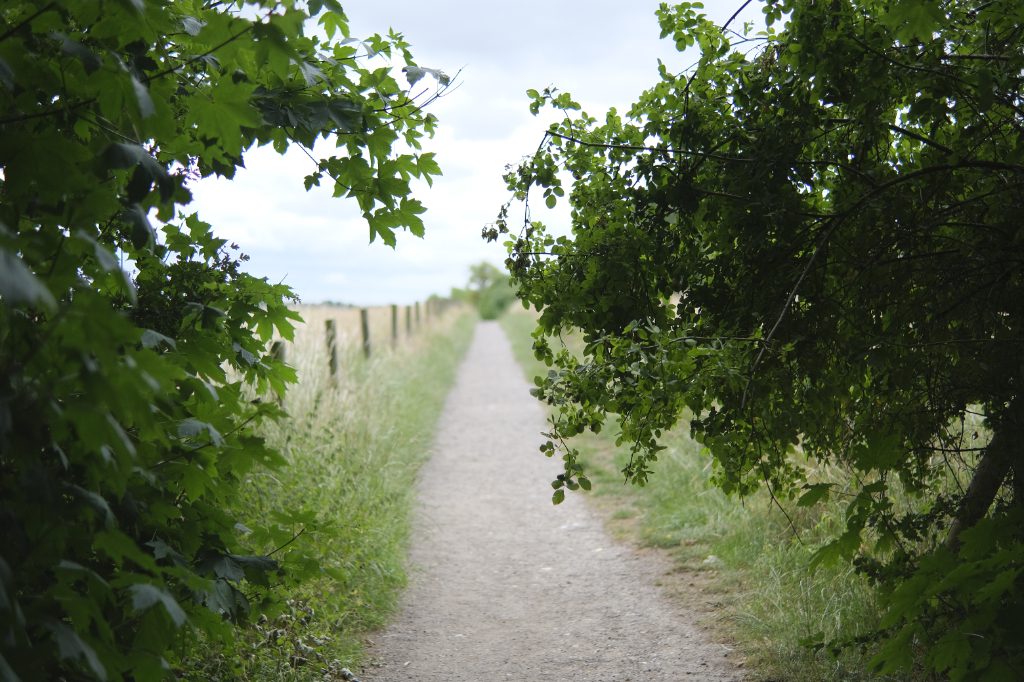
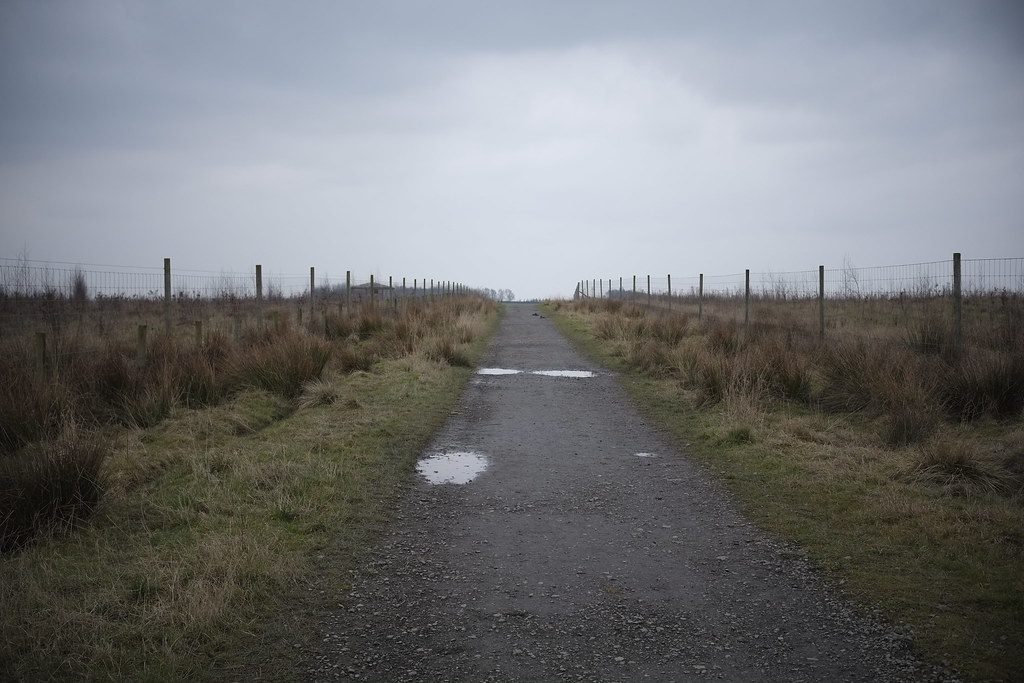
Fujifilm X-Pro 1 The path ahead
My first shot with the X-Pro 1. It was a cold dull February day which I think is captured here. TTArtisan 27mm shot at f2.8
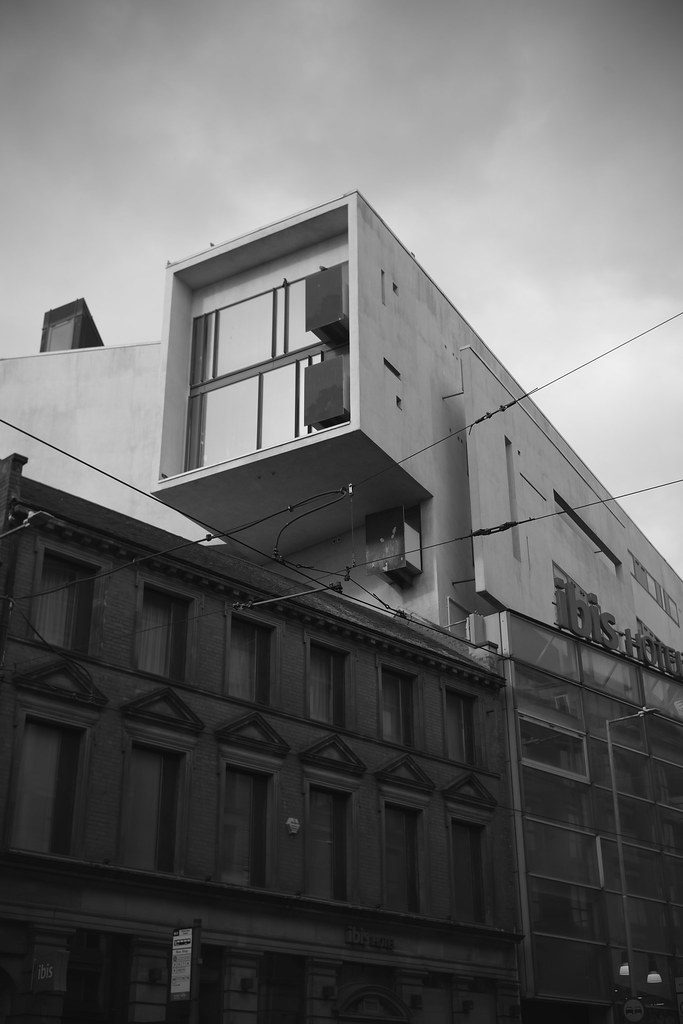
Fujifilm X-Pro 1 Back and White film simulation
The in-camera black and white has great tonal gradation. (Shame I didn’t notice the focus had latched onto the cables and not the building) This was BW +Y setting.
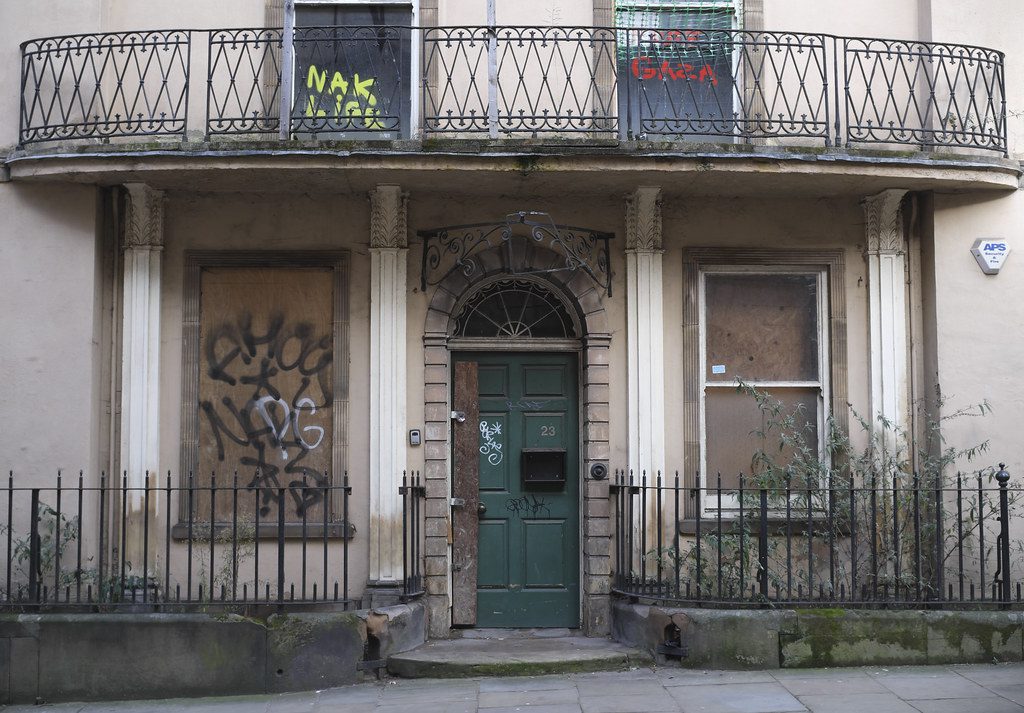
Fujifilm X-Pro 1 Provia
An example of the subtlety the X-Pro 1 is capable of. Provia simulation.
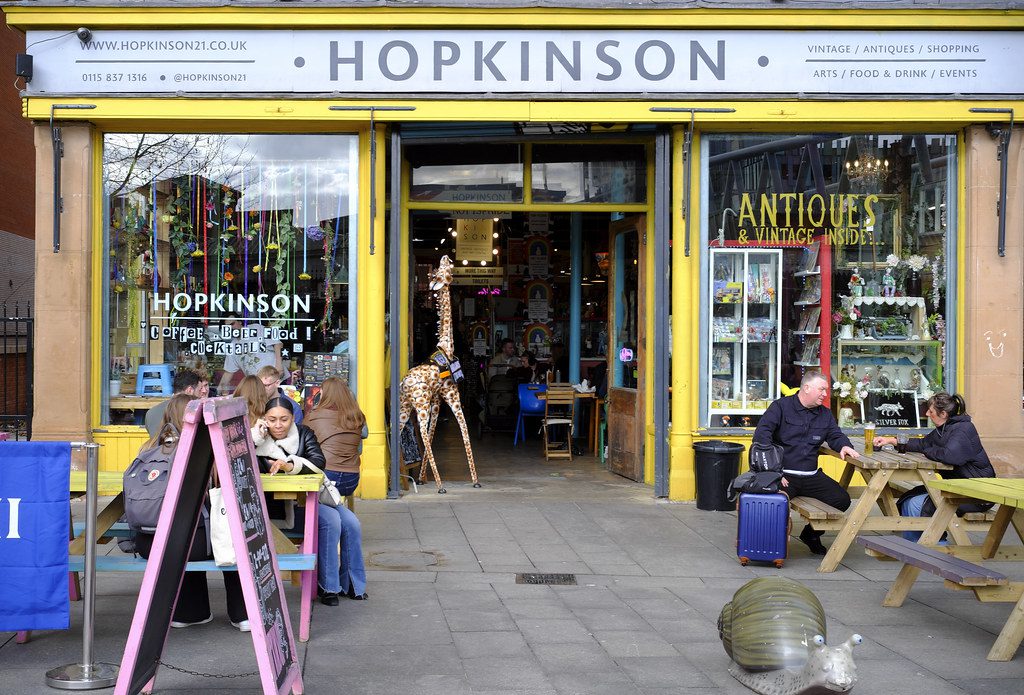
Fujifilm X-Pro 1 Velvia
The Velvia simulation is wild in a good way, stronger than the later X-Trans?

Conclusion

I have to agree the X-Tans 1 sensor does indeed have the magic X ingredient. It combines sharpness with smooth tonality with its own unique colour palette. I don’t understand why Fujifilm has gradually moved away from this to a more mainstream look, I think the turning point was when they introduced the BSI sensor with the X-Trans 4 in the X-Pro 3. If you see an X-Pro 1, or X-E1 going for a good price I would definitely check it out. I’m off to trying my old Nikon H lenses on it now!

print colours